
Catalytic converter theft: prevention and suspected incidents
Parking choices, protective measures and records: practical steps for speaking to a garage and responding to suspected theft.
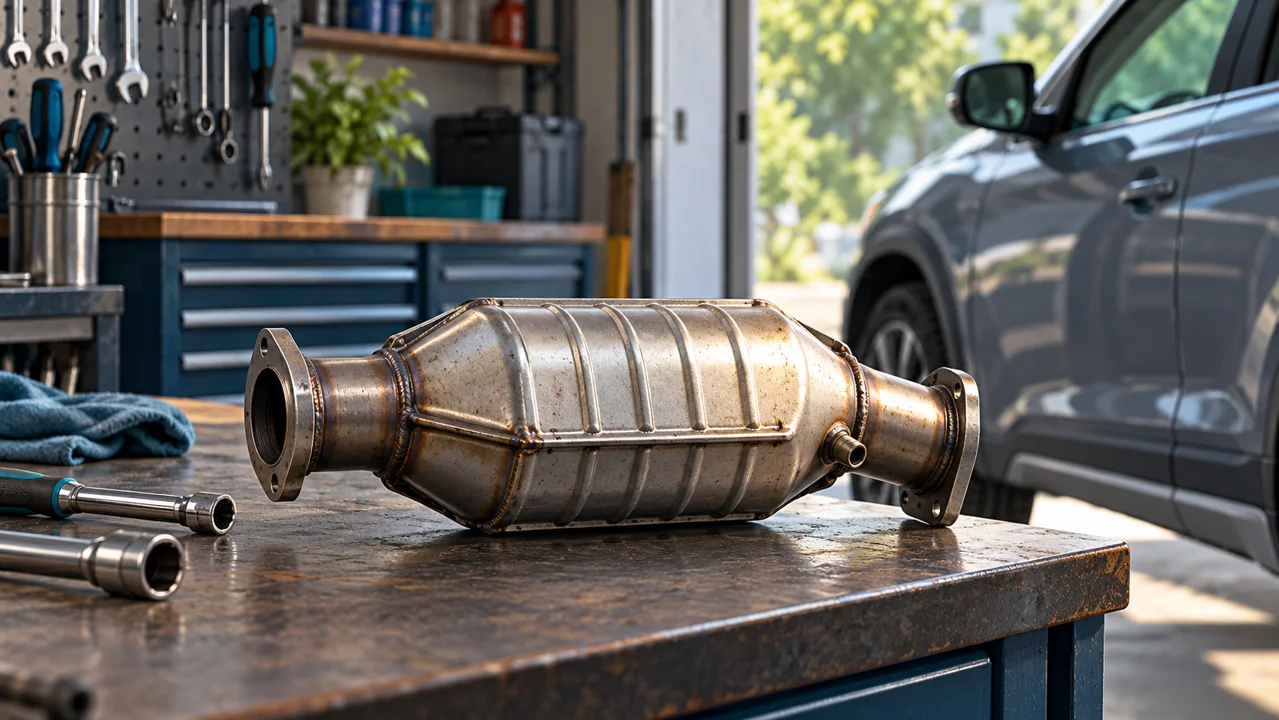
What to understand first
The catalytic converter is part of a vehicle's exhaust system. If damage to it is suspected, do not rely on guesses based on a noise or an online photograph. Unusual noise can have various causes, so contact a garage to identify what happened. Do not go beneath a vehicle that is not raised and secured with appropriate equipment, and do not try to inspect a hot exhaust system.
Choose parking carefully
UK police prevention guidance includes measures to reduce access to vehicles and their components. Where possible, favour parking that allows oversight of the surroundings, such as an organised car park or a well-lit spot. No parking place guarantees complete prevention, but avoid automatically choosing an isolated spot when a convenient alternative exists. Match the decision to your parking conditions and vehicle.
Ask a garage about suitable protection
Dedicated protective devices for catalytic converters exist, but suitability depends on the vehicle and installation. Ask a professional what can be installed on your model, the cost and how it affects maintenance and repair access. Do not improvise attachments or covers for the exhaust system. You can also ask about marking the component if an appropriate service is offered, without treating it as a substitute for prevention.
If you suspect theft
If you see suspicious activity as it happens, move away and avoid confrontation. Contact police through a channel appropriate to the urgency. After discovering damage, document the vehicle's condition, location and time from a safe position. Before driving further, request advice from a garage or roadside assistance service and coordinate handling with the relevant parties. Keep confirmations and receipts relating to inspection and repair.
Prepare the information you may need
Keep your vehicle, garage and roadside assistance details accessible. If relevant insurance cover exists, ask the insurer about reporting procedures and required documents rather than assuming what is included. This guide provides no local prevalence figures or promise about particular cover. Its purpose is to support a practical conversation with professionals and reduce hasty decisions under pressure.