
Choosing a mobility scooter: start with your everyday route
Door width, storage, seating comfort and service matter as much as range. How to check suitability before buying.
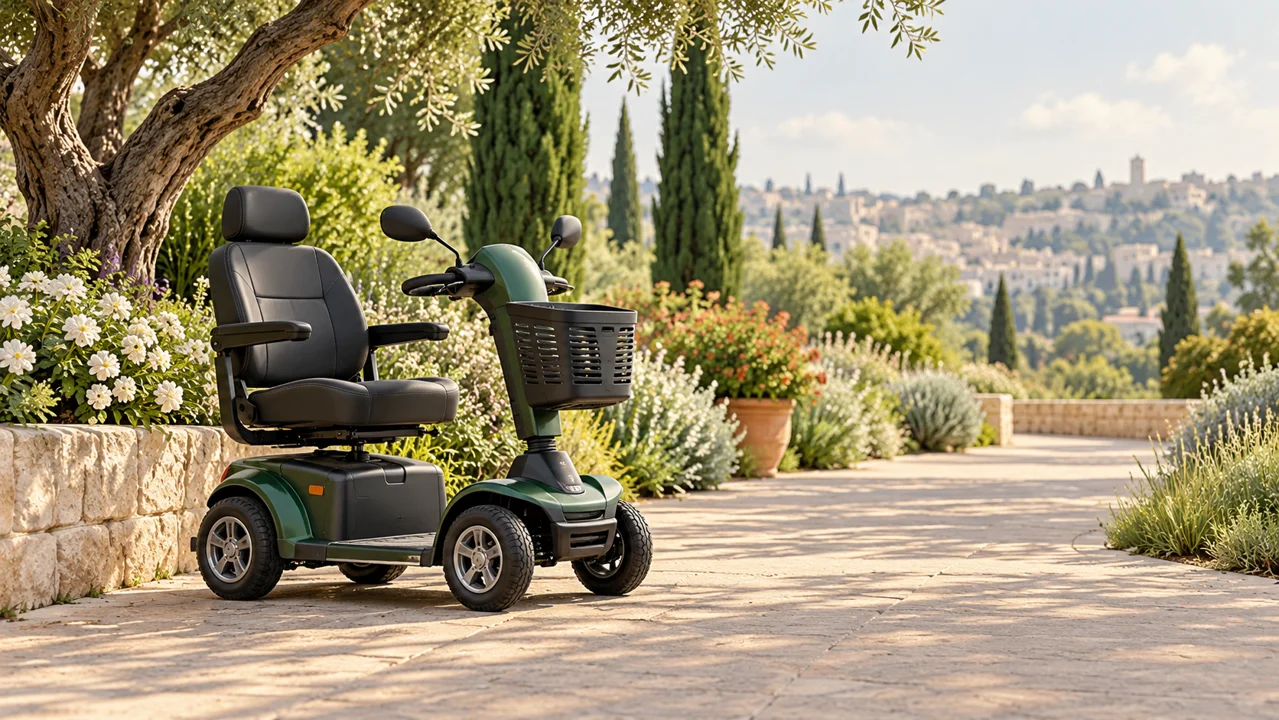
Your route is the starting point
A suitable mobility scooter should be comfortable to use on your actual routes. Before looking at models, list where you want to go, what you pass along the way and where you stop. Going to a nearby grocery shop differs from regular clinic visits through several doors and a lift. Check the return route too, when the basket is full or you are more tired. This description helps the seller understand your needs instead of suggesting a model based only on a picture or budget.
Measure passages, not just the parking space
Measure the narrowest door, passage width and free space in the lift. You also need room to turn, open the door and reach the seat. If you plan to transport the scooter by car, check the boot dimensions and the weight of the parts you will actually lift. An impressive folding mechanism in the shop is no use if the intended user cannot operate it comfortably. Ask to perform the necessary actions yourself under guidance, rather than relying solely on the seller's demonstration.
Try the seat and controls yourself
Try the seat, armrests and reach to the handles. Check that you understand how to start, slow down and stop, and that the display and controls are clear. Request a familiarisation ride in a safe place with a staff member present. If you have difficulties with vision, hand movement or reactions, consult an appropriate professional about the suitability of the mobility aid. Your choice should not be based on pressure to complete a purchase that day.
Advertised range is only the start of the conversation
Ask under what conditions the range was measured, the load limit and which route conditions suit the model. Describe expected slopes, surfaces and luggage, and request an answer based on the manufacturer's specifications. Allow a margin when planning journeys rather than regularly relying on reaching the limit of the stated range. Also ask how to read battery status and what to do if an unfamiliar warning appears.
Storage and charging are part of the purchase
Prepare a dry, safe place that does not block a door or exit route. Check that charging is possible according to the manufacturer's instructions, without cables creating a trip hazard. Do not assume every stairwell can serve as storage; agree on arrangements with whoever is responsible for the building. Request a clear explanation of the correct charger, charging routine and what to do if the battery or charger appears damaged.
Service after delivery
Before paying, request a document identifying the model, included equipment, warranty terms and service contact. Ask how a fault is handled if you cannot bring the scooter to the shop, and about the availability of replacement consumable parts. Insist on a handover demonstration and instructions in a language you understand. Check the traffic rules applying to mobility scooters in Israel with a current official source; do not infer them from another country's instructions or similarities to another vehicle.