
Host dinner without spending the whole evening in the kitchen
A short menu, shared tasks and simple timing let you prepare a pleasant meal and stay part of the gathering.
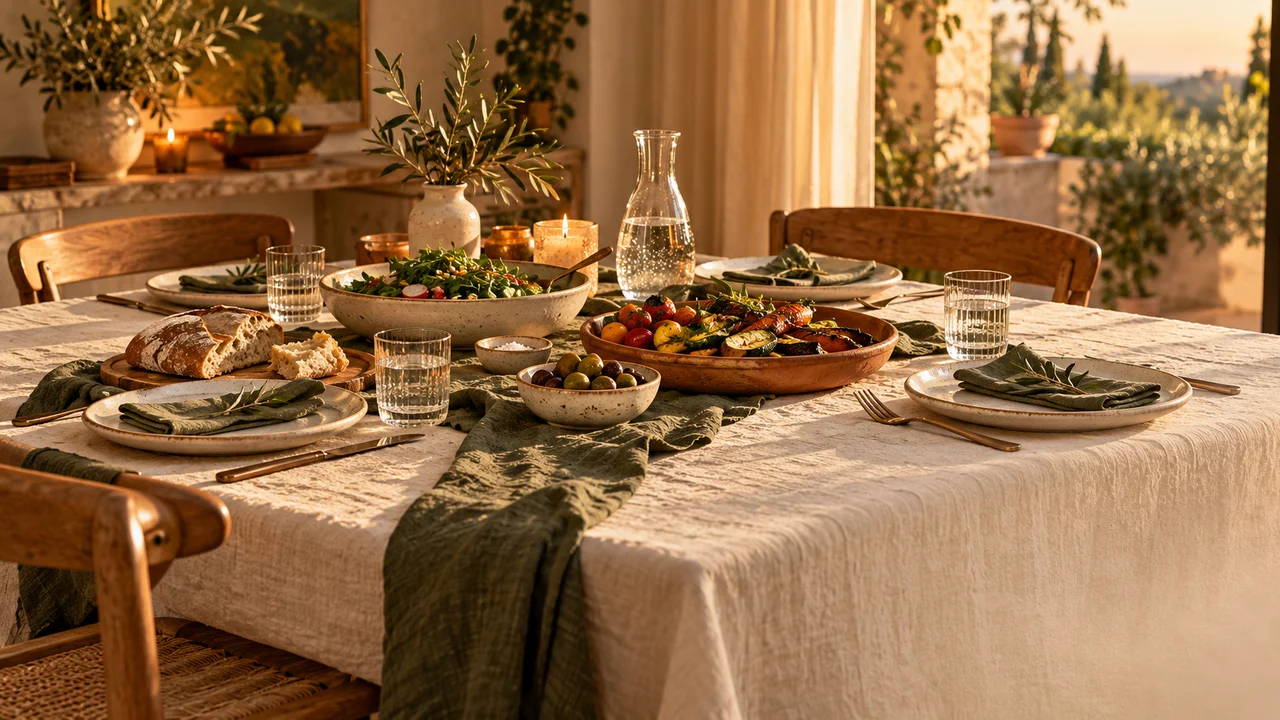
Plan the time when you will sit down too
Comfortable hosting does not require more dishes. It requires a meal you can prepare and serve without disappearing from the table every few minutes. Start with the guests' arrival time and when you want to sit down to eat. Then consider which tasks must happen just before serving. If every dish needs attention at once, the menu is too demanding for a relaxed evening. Fewer dishes that work together leave room for conversation too.
Ask the important questions in advance
Before choosing dishes, find out how many people are coming and whether allergies, sensitivities or dietary preferences need consideration. Do not assume you remember everything from the last gathering. For an allergy, ask the guest to explain ingredient and preparation requirements, and do not promise suitability if you cannot guarantee it. This information should shape planning from the start, rather than force improvisation when guests are at the door. The time and nature of the gathering also help determine an appropriate meal.
Choose one anchor for the meal
Choose one main dish you know how to make well and build simple accompaniments around it. A clear anchor makes it easier to drop an extra dish that is not really needed. Try not to overload the evening with several new recipes: each adds decisions, questions and unfamiliar timing. If trying something new matters to you, choose one part of the menu and keep the rest familiar. Look at the meal as a whole, including serving dishes and table space, rather than just a list of recipes you like.
Make a list of actions
A shopping list matters, but prepare a short work list alongside it: what to make ahead, what to bring out before serving and what remains for the last moment. Check whether two dishes compete for the same oven or pan. Advance preparation must suit the recipe's instructions and required storage, rather than only your schedule. You can also tackle non-cooking tasks, such as setting the table, choosing serving dishes and clearing kitchen space. These small tasks tend to accumulate just before guests arrive.
Give helpers a clear task
When a guest asks what to bring, a specific answer can help both of you. Instead of saying anything, request an item that fits the menu and agree whether it will arrive ready to serve. Tasks can be divided at home too: one person handles drinks, another clears dishes and someone else welcomes arrivals. A clear request is more useful than assuming everyone will notice what is missing. Keep the kitchen easy to help in, with free space to put things down and serving utensils that are easy to find.
Leave room for changes
Guests may arrive late, a dish may be delayed and the evening may develop differently from the plan. Avoid making every part of the meal depend on one precise moment. Leave a margin between finishing preparations and guests arriving, and do not add a new task simply because a few minutes remain. Afterwards, note what was convenient and what was barely eaten. Next time you can start from experience rather than plan everything anew. Successful hosting is also measured by how pleasant it was for you, rather than only by the number of plates leaving the kitchen.