
Preparing for a car test in Israel: what to sort out before you go
Start with the licence expiry date, note what needs attention and establish what the quoted price covers. A practical guide to preparing for the car test in Israel.
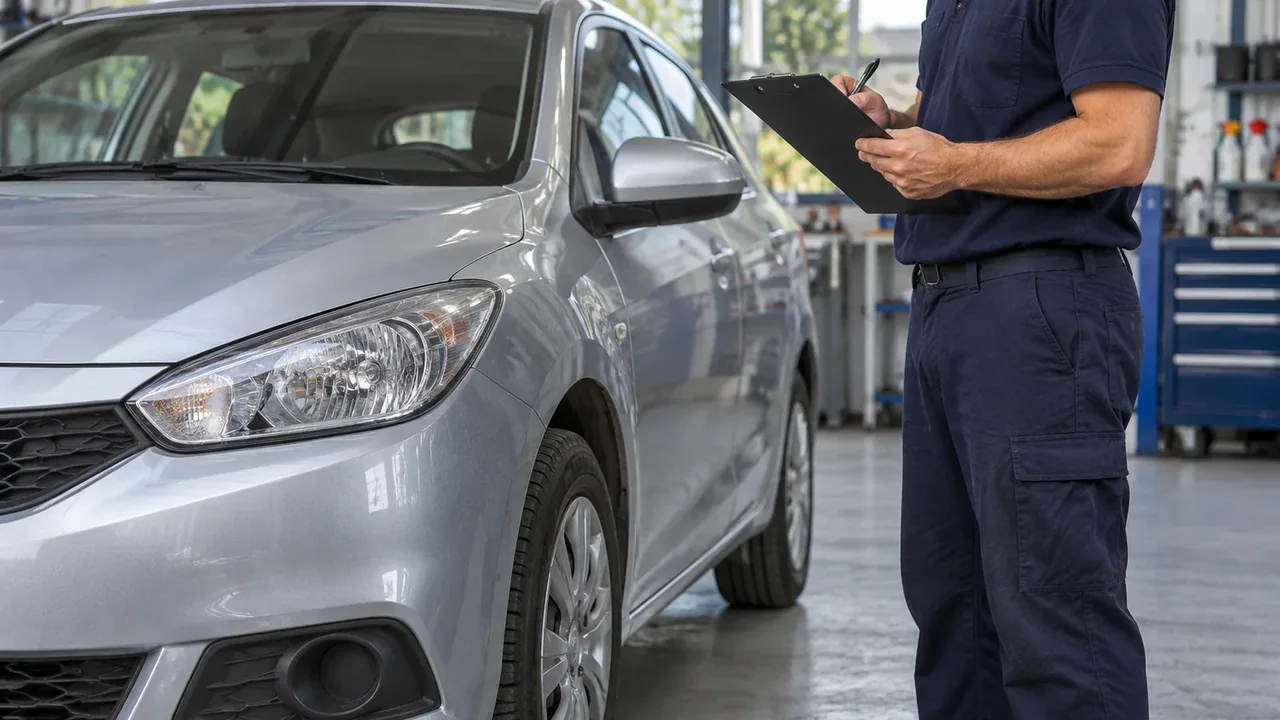
To prepare for Israel's vehicle roadworthiness inspection, commonly called the annual car test, start with the expiry date on the vehicle licence and leave time to deal with anything that needs attention. There are three parts to the preparation: sorting out the licensing requirements, checking the car's condition and deciding who will handle each step. Clarifying them early makes the visit easier to plan and the costs easier to understand.
Let the licence expiry date set your timetable
According to the Transport Ministry's vehicle licence renewal guidance, you can complete the inspection during the 60 days before the licence expires. There is no need to wait until the last day, or to wait for a payment notice to arrive in the post before paying the renewal fee.
First check whether your car needs a physical inspection. A new private car that is less than three years old is exempt from the inspection, but not from the licence renewal fee. Other vehicle types and older cars may have additional requirements, so check the instructions that apply to your particular vehicle.
In practice, it is worth putting a preliminary check in your diary as well as the test itself. If an additional certificate is required, a fault is found or a part needs ordering, that extra time lets you deal with it before the licence expires. Have the vehicle licence, valid insurance certificate and identification details ready, and ask the test centre which additional documents are needed in your circumstances.
Look at the things you can already check
Before booking a garage inspection, spend a few minutes checking the car while it is parked somewhere safe. See whether the lights and indicators work, whether the wipers clear a wet windscreen properly and whether the washer jets deliver fluid. Look at the number plates too: are they clean, readable and securely attached?
The aim is to arrive with a clear account of what needs attention. A light that does not come on or a wiper that leaves part of the glass uncleared is something you can describe precisely. You do not need to diagnose the failed component yourself or decide whether it will cause the car to fail.
Note anything you have noticed during normal use, such as a warning light, a new noise or difficulty starting. Record when it happens and whether it recurs. If you suspect a safety problem, especially with the brakes or steering, seek professional attention rather than waiting for the test date. If you are unsure that the car is safe to drive, ask how to get it inspected without driving it there.
Define the work before handing over the keys
A preliminary inspection, repairing a fault and taking the car to the test centre are different services. Before handing over the keys, explain whether you want the car checked, previously approved repairs carried out, or help with taking it for the official inspection as well.
If you prefer to use a provider offering preparation and help with the process, such as אדיר שירותי רכב (Adir Car Services), establish which steps are included and which require a separate arrangement or payment. What matters is what will be done to your car, rather than the name of the package.
Agree on how any additional work will be authorised. You can ask for a phone call explaining the finding, proposed repair and price before a part is replaced. A preliminary check may help identify defects, but the official inspection takes place at an authorised test centre and a pass cannot be guaranteed in advance.
Compare the complete cost
When planning the budget, separate the vehicle licence renewal fee, the test centre's inspection charge and the cost of any preparation service or repairs you order. Paying an outside provider does not necessarily mean the other charges are included.
Ask for a quotation that identifies what the price covers and what might be added. If repairs are proposed, ask what the inspection found, exactly what would be replaced and how much the labour will cost. This lets you compare quotations covering the same scope of work.
Clarify the practical arrangements too: when to drop the car off, when to expect it back and whether a repair might require another visit. If you depend on the car for work or taking children to school, those details are useful before choosing a date.
If the car fails, start with the report
If you receive a defect report, keep it and show the complete document to the person handling the repairs. Ask for an explanation of each item and what needs to be done about it. A description such as “something with the lights” is less useful than the test centre's precise wording.
The Transport Ministry says that when repairs need to be carried out at a garage, the vehicle must return for another inspection afterwards, with an additional test fee. Before leaving the test centre, establish what is needed to complete the process and what conditions apply to moving or driving the car. Attending the inspection does not, by itself, mean you can continue driving.
Once the process is complete, check that the licensing requirements have been fulfilled and keep the inspection and repair documents with the service history. The next time a fault appears or renewal approaches, you will have a clear record of what was checked and what was done.