How to Plan a Museum Visit the Whole Family Can Enjoy
Choose a small museum route, prepare children, plan breaks and keep the conversation going after a family visit.
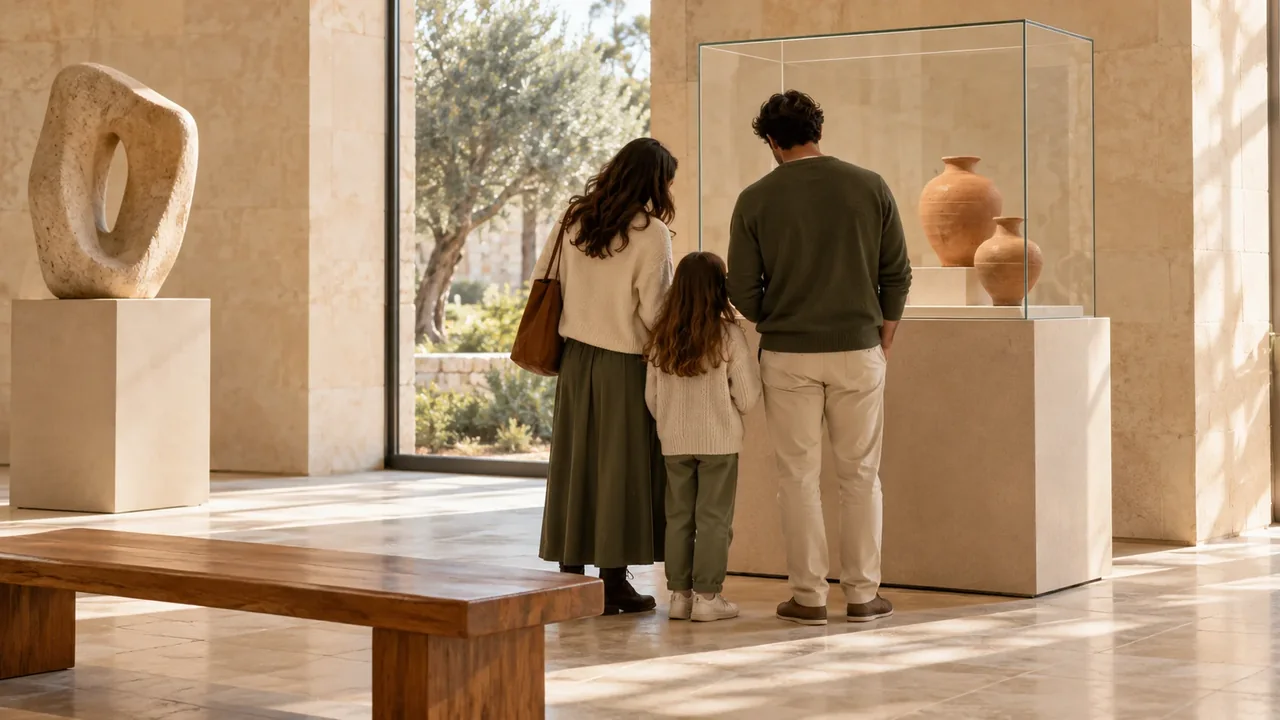
A family museum visit does not need to cover an entire building to feel worthwhile. One room that sparks a conversation can be enough. Start by choosing one or two exhibitions that connect with someone's interests, then leave space for a break and an early finish.
This changes the planning question from how much you can see to how you want the visit to feel. Children and adults may have different attention spans, energy levels and interests. A modest shared plan makes those differences easier to accommodate without turning the outing into a lesson everyone must complete.
Choose a small route together
Look at the museum's own visitor information before deciding what to see. Check which exhibitions are currently accessible and whether any require advance booking. Read descriptions for age suitability, sensitive material or sensory features. Choose a main exhibition and treat anything else as optional, rather than promising a tour of every floor.
Offer children a manageable choice between two possibilities. A child interested in building might enjoy structures or objects, while another might prefer pictures or stories. Adults should have a say too. If interests differ, agree on one shared starting point and decide later whether a second stop still suits the group.
Check practical access as part of the route, not as an afterthought. Find out about step-free entrances, lifts, seating, toilets and stroller arrangements where relevant. If someone needs a quieter space or particular support, ask the venue beforehand. Knowing what is available helps you plan without making assumptions about the building.
Explain what the visit will involve
Show children a picture of something they might see, or describe it in ordinary language. Explain that some objects can be touched only where the museum explicitly allows it. Mention any bag checks or other arrival procedures described by the venue, so the entrance does not become an unexpected obstacle.
Agree on a simple way to explore. You might look for an object that seems useful, an unfamiliar material or a detail someone else missed. Keep this as an invitation rather than a competition. There is no need to prepare worksheets or require children to remember names and dates before they have seen anything.
Discuss how everyone can ask for a break. With younger children, explain where you will pause and what happens if someone gets tired. Older children can help navigate or choose the first object to discuss. Give them a role they can enjoy without making them responsible for keeping the entire outing on schedule.
Time the visit around ordinary needs
Choose a part of the day when your family is usually comfortable going out, allowing for travel, meals and rest. Check current entry arrangements directly before leaving. Avoid building the visit around several additional errands. Arriving already hungry or rushed can make even a carefully chosen exhibition difficult to enjoy.
Identify permitted places to eat and drink, and check whether food can be brought in. Pack accordingly, keeping snacks out of exhibition rooms unless explicitly allowed. Plan a pause before everyone is exhausted. A seated rest or time outside may be enough; a break does not have to become another organised activity.
Watch the group rather than the number of rooms remaining. If someone is losing interest, spend longer with one appealing object or end the visit. When children of different ages need different things, adults may split up if supervision allows, with a clear meeting place. Leaving while the outing still feels pleasant is a valid plan.
Let the conversation continue afterwards
On the way home, ask about one memorable thing instead of requesting a full account of everything you saw. What looked different up close? Which object would they like to understand better? Share your own observation too, so the conversation belongs to the family rather than becoming a test for the children.
Follow a question only as far as people remain interested. You might look up an unfamiliar object together, draw a remembered shape or compare something from the exhibition with an item at home. If nobody wants another activity, leave it there. A quiet memory still counts as part of the experience.
Before planning the next visit, notice what helped. Perhaps the shorter route worked, the food break came too late or a quieter gallery suited everyone better. Use those observations to adjust the next outing. The useful measure is whether the family found something worth noticing together, not whether every room was ticked off.